ELEVATING ZIMBABWEAN FASHION
Reflecting On Zimbabwe Fashion Week's Impact And The Road Ahead
By Rumbidzai Chirumbwana
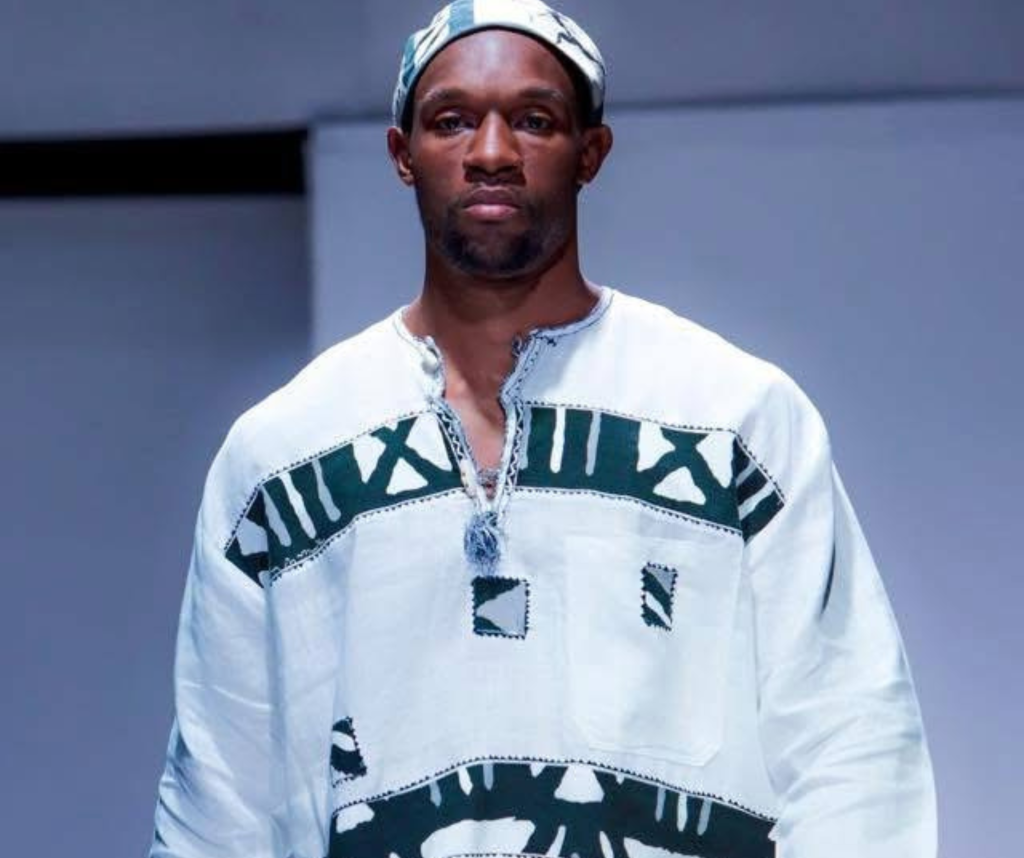
As a Zimbabwean fashion designer now entrusted with overseeing Retail and Sustainability for the Hunhu Council of Fashion, I have had the privilege of witnessing the evolution of Zimbabwe Fashion Week (ZFW) over the past decade. This event has become more than just a showcase; it has acted as a vibrant, dynamic platform for both emerging and established designers, giving us a space to connect with industry peers, fashion scouts and buyers across the globe.
Over the years, Zimbabwe Fashion Week has nurtured local and regional talent, empowering designers to push boundaries and explore new creative horizons. It has facilitated connections with international buyers, photographers, runway producers and trade show exhibitors. Through its unique commission-based and wholesale order structures for local and international designers, ZFW has ensured that Zimbabwean designers can gain entry into regional and international markets, with in-house PR campaigns further amplifying the visibility of their collections.
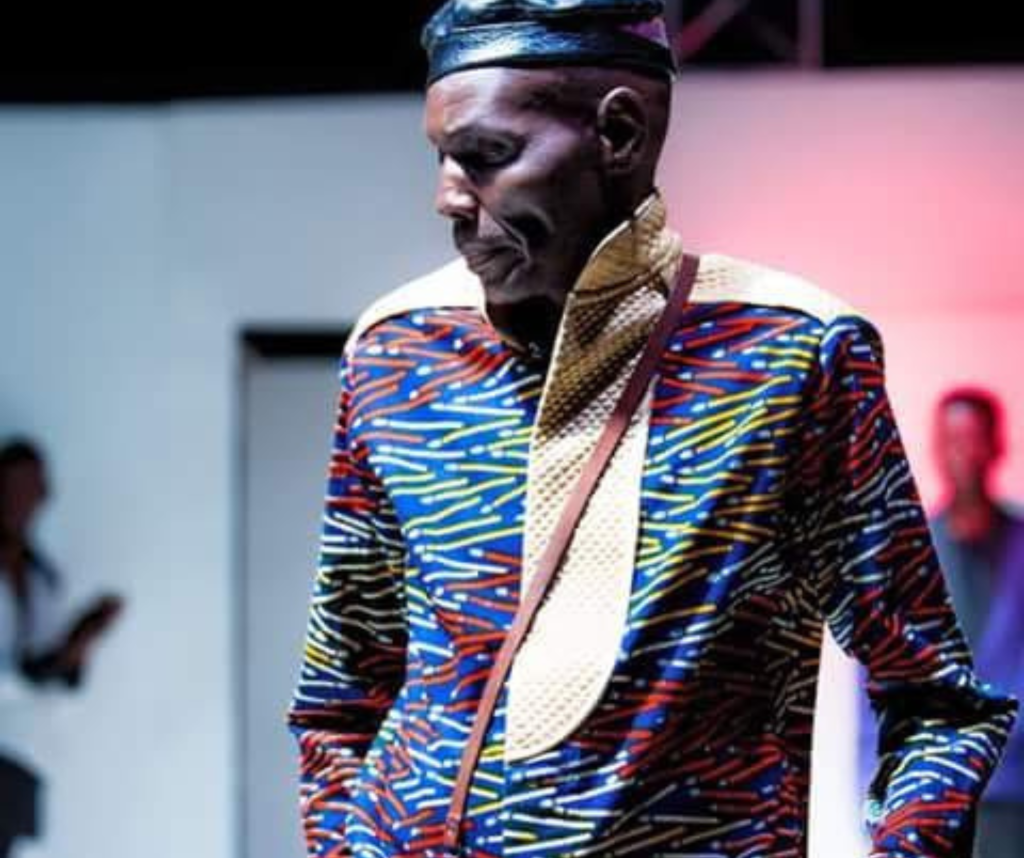
This strategic curation has allowed Zimbabwean designers to explore new opportunities on global runways and trade exhibitions. Brands such as Taibo Bacar from Mozambique and Zimbabwean brands the likes of Kidd Hunta, Zargue’sia, RumbiRumbi and the late legendary Oliver Mtukudzi – who in 2015 took to the runway to present his life’s work in fashion, in a show dubbed ‘Tuku Retrospective’, which was a collection of all the outfits he had designed for his performances on stage – have all featured at and have been curated by ZFW. These brands have successfully expanded their reach beyond the local market, crafting a narrative that resonates internationally with buyers who appreciate the richness and authenticity of African design.
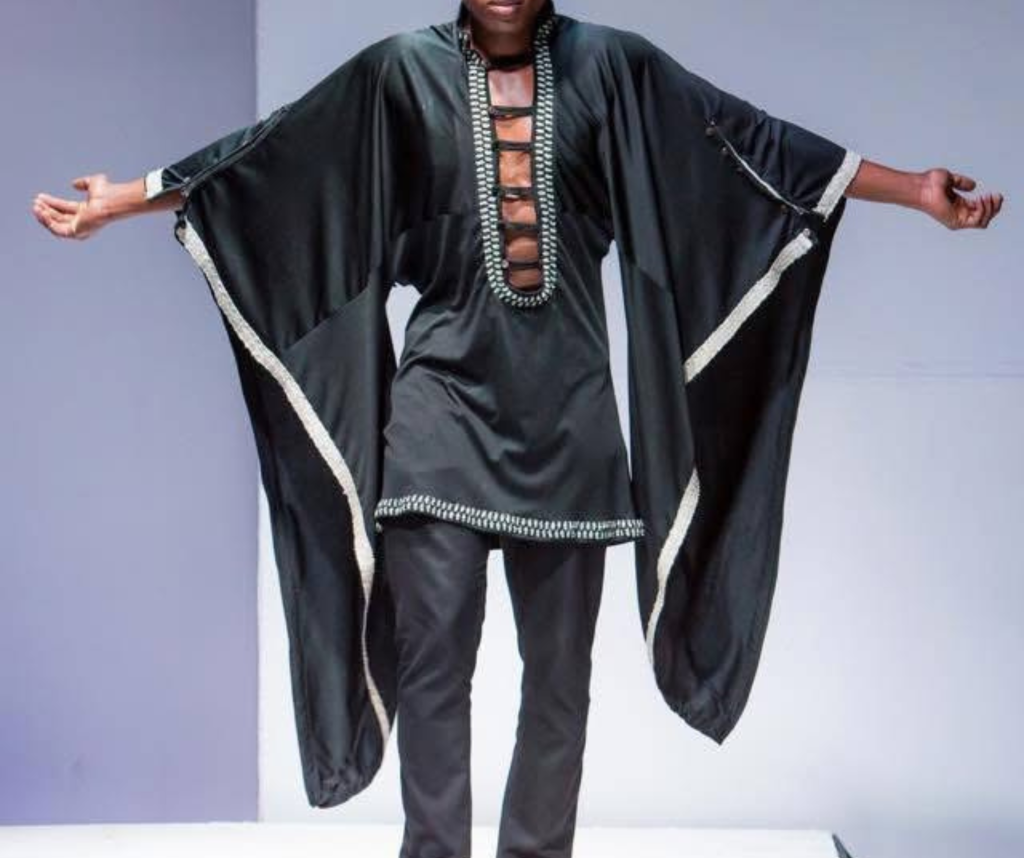
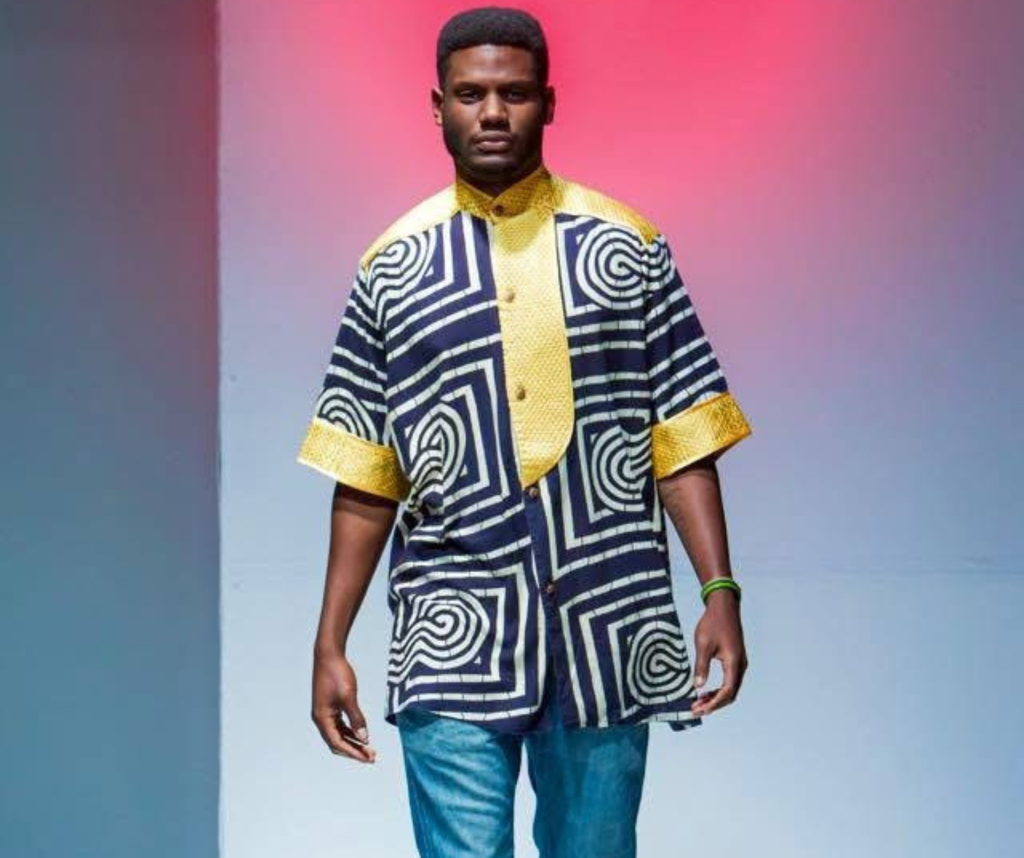
Yet, despite the growth, Zimbabwean designers face new challenges. The booming second-hand clothing market has forced many to reimagine their approach to fashion. We are no longer just catering to local tastes, but to a discerning clientele that demands the highest quality and craftsmanship. This shift has prompted us to rethink our design processes, from sourcing high quality textiles to maintaining impeccable production quality. Designers have become more conscious of the importance of local fabric sourcing, exploring opportunities to incorporate locally grown materials like linen or cotton into their collections, while also seeking high-end, sustainable textiles from countries such as India or Pakistan, drawing on Zimbabwe’s diplomatic ties.
As designers, we have had to reconcile the allure of mass production with the need to uphold our values of authenticity and craftsmanship. The temptation to sacrifice quality for scalability is real, but we know that our strength lies in creating pieces that tell a story…our story. Maintaining this narrative while also meeting demand requires innovation and this is where the intersection of technology and craftsmanship becomes crucial.
As the world embraces Artificial Intelligence (AI) and Information Technology (IT), we, as Zimbabwean designers, must adapt to the changing landscape. Zimbabwe Fashion Week is already looking at how to integrate these technologies into its shows. Imagine showcasing our collections through immersive AI goggles, allowing buyers to experience runway showcases from the comfort of their homes. This could significantly reduce the cost of show production, a critical consideration in Zimbabwe’s economic climate, where many corporate sponsors are holding back cash sponsorships due to currency challenges and policy shifts. This could provide a much-needed solution for a country where traditional sponsorship channels are drying up.
The adoption of e-commerce platforms is also vital. In a digital-first world, shifting to online retail models will enable designers to meet demand more efficiently, supported by logistics companies like DHL, who offer streamlined delivery solutions to international markets. The global fashion industry is increasingly moving towards e-commerce and for Zimbabwean designers, leveraging this shift could open up new revenue streams. Partnering with platforms like Hunhu Colectiv, which showcases curated collections for a global audience, can be the key to expanding the reach of Zimbabwean fashion to new clients.
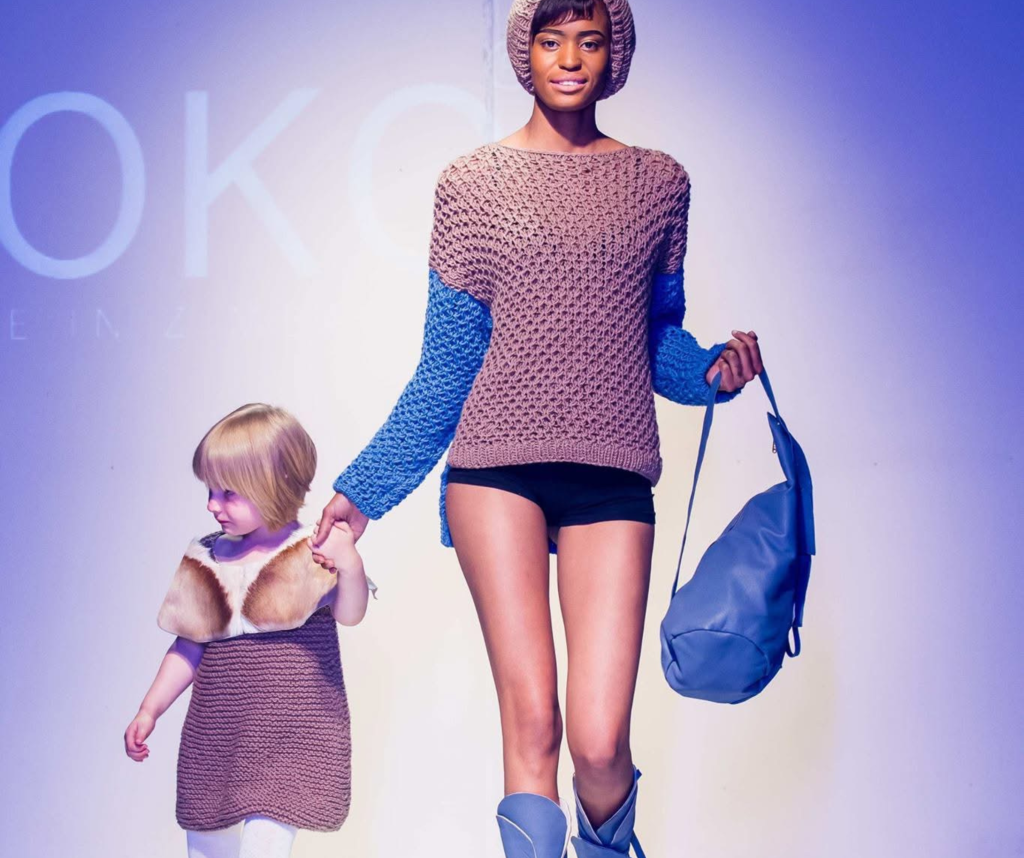
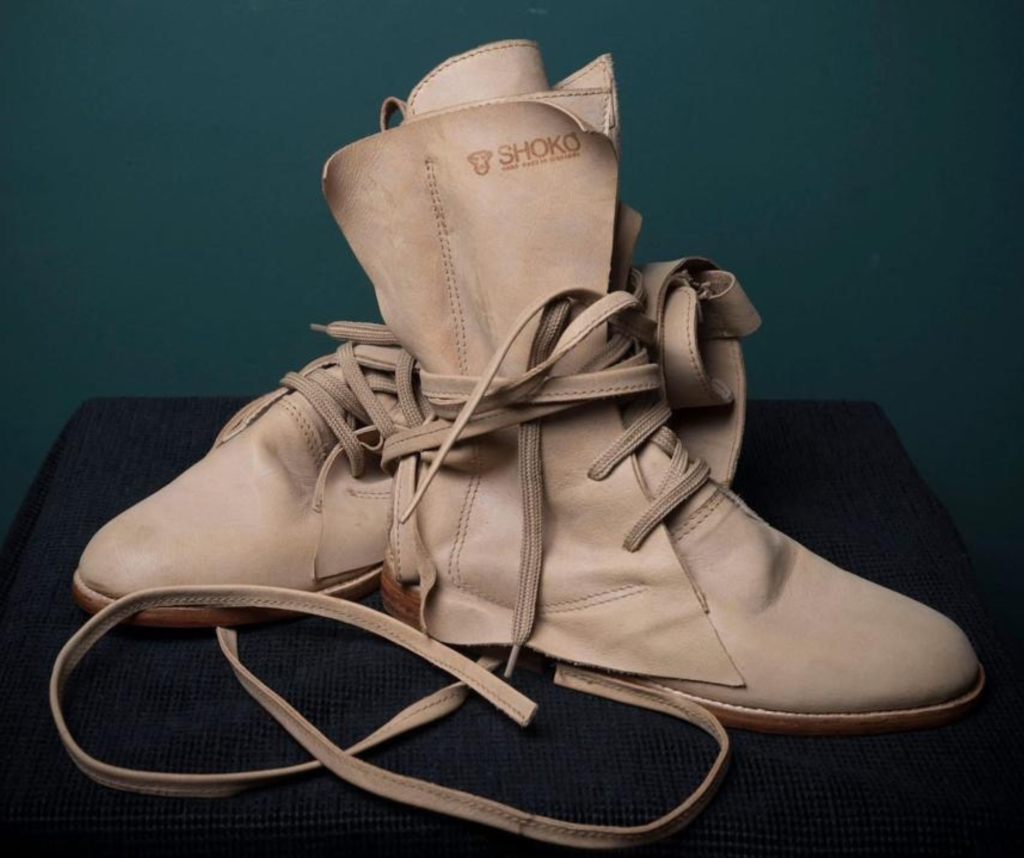
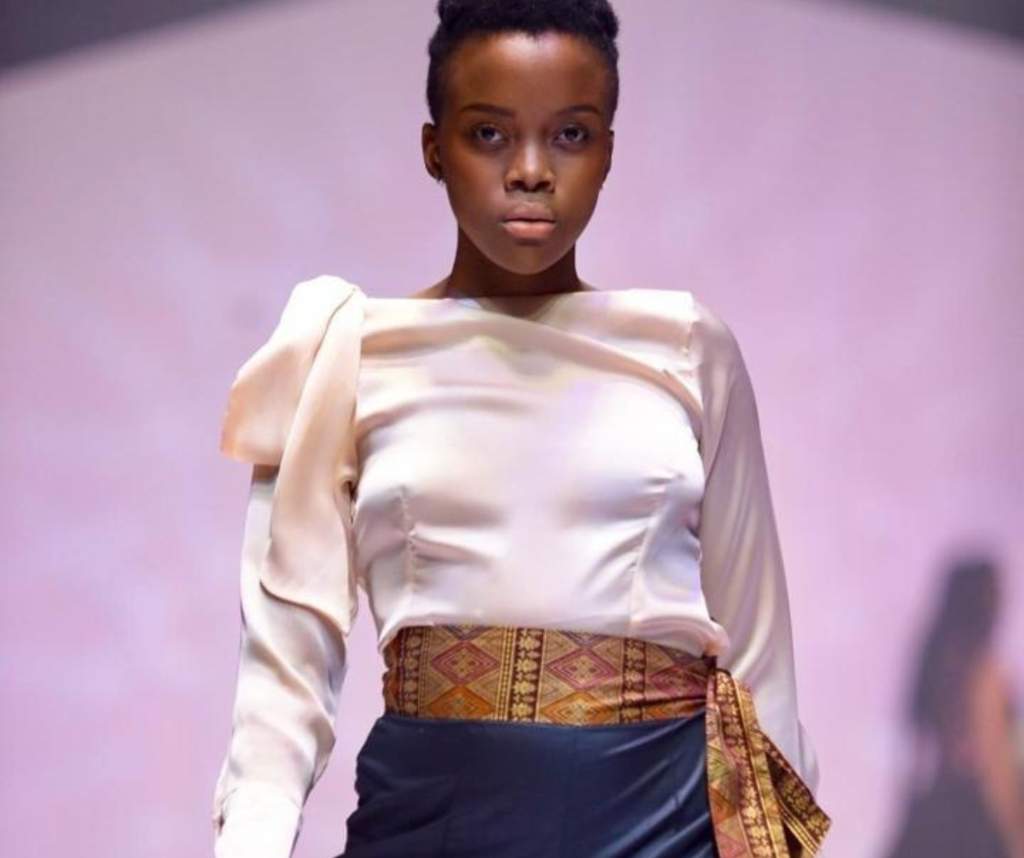
However, the challenge remains: access to working capital and sustainable finance. For Zimbabwean designers to truly thrive, there need to be strategic partnerships with financial institutions to create favourable but secure financing options. For instance, imagine a partnership with a Financial Institution, which could offer designers the opportunity to produce limited edition collections using locally sourced organic fabrics, while securing a clientele through the institution’s high-net-worth individuals. This approach would not only create a steady income stream for the designer but also help cultivate a niche market for luxury, locally crafted fashion.
While we are seeing the rise of a new generation of Zimbabwean fashion designers who are making a mark on the global stage, the challenge remains: how do we provide them with sustainable infrastructure that supports growth and innovation? Zimbabwe Fashion Week, in partnership with local businesses, financial institutions and even government bodies, has the opportunity to create an ecosystem that encourages collaboration, long-term growth and international recognition for local designers.
Additionally, as the fashion world embraces sustainable practices, Zimbabwean designers are also leading the charge. Many are dedicated to preserving the environment by using sustainable materials and promoting local artisanship. By encouraging these ethical practices, we not only preserve the cultural heritage of Zimbabwe but also contribute to the global demand for sustainable fashion. Brands like A Tribe called Zimbabwe, PatCh Maoko, HAUS of Stone and Vanhu Vamwe have been leading the charge, producing collections using organic materials such as cow hide, organic cotton and creating opportunities for local communities by employing artisans who preserve traditional handcrafts such as macramé.
It is important to recognise that Zimbabwean designers are not simply creating clothes; they are telling stories of heritage, culture and identity. Our designs are about honouring tradition while embracing the future. With the right support, both locally and internationally, Zimbabwe can emerge as a leader in the luxury fashion industry.
In conclusion, the future of Zimbabwean fashion holds immense promise. With platforms such as Zimbabwe Fashion Week leading the charge, we are nurturing local talent and fostering a vibrant fashion ecosystem. By harnessing the power of technology and strategic partnerships, we are well-positioned to navigate the challenges that have previously impeded progress. As we move towards a more sustainable, profitable, and globally interconnected industry, Zimbabwean fashion is poised to make its mark on the world stage. The global fashion landscape is ready for the distinctive creativity and innovation Zimbabwe has to offer.